

Z Automotive has established a presence in the automotive electronics market by developing vehicle-specific devices that expand the functionality of factory-installed systems. Among its established products, the Z Automotive Tazer is an electronic OBD2 plug-in device designed for selected Dodge, Chrysler, and Jeep vehicles. It provides access to configurable vehicle settings, performance-related displays, lighting functions, and additional controls that may not be available through standard dashboard menus. Rather than replacing an engine management system or introducing a conventional aftermarket display, the device works with compatible factory electronics to enable selected features and adjustments. Its usefulness therefore depends on the vehicle model, production year, installed equipment, and the functions an owner wants to access.
Z Automotive Tazer Design and Core Functionality
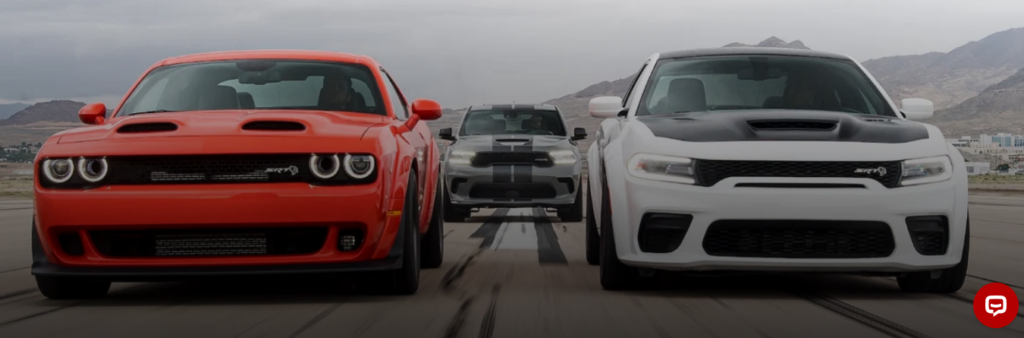
The Z Automotive Tazer is built around a relatively straightforward concept: connect a compact electronic interface to a vehicle’s diagnostic port and use supported controls to configure selected factory systems. The product is intended for compatible vehicles rather than universal installation across every manufacturer. Its principal appeal lies in accessing functions through existing vehicle electronics, reducing the need for multiple separate switches or extensive visible modifications. According to the manufacturer’s product information, the Tazer supports selected Dodge Challenger, Dodge Charger, Chrysler 300, Dodge Durango, and Jeep Grand Cherokee applications, with compatibility varying by model year and configuration. The device can enable certain factory options, adjust supported vehicle settings, and provide additional operating functions through dashboard controls. Its design prioritizes integration with the vehicle’s existing environment instead of introducing a separate interface that occupies cabin space.
Z Automotive Tazer Compatibility and Vehicle Requirements
Compatibility is one of the most important considerations when evaluating the Z Automotive Tazer. The manufacturer’s product listing identifies supported applications that include Dodge Challenger models from 2015 through 2023, Dodge Charger models from 2011 through 2023, Chrysler 300 models from 2011 through 2023, Dodge Durango models from 2014 through 2023, and Jeep Grand Cherokee models from 2014 through 2021, subject to the applicable product and vehicle configuration. These ranges should be checked against the current compatibility information before purchase, particularly because vehicle electronics and security systems differ between generations. Certain vehicles from 2018 onward also require an additional security gateway bypass component. The appropriate bypass solution depends on the specific vehicle, so purchasing the Tazer alone may not provide everything needed for installation. Buyers should also verify that their intended features are supported by their vehicle’s installed equipment.
Z Automotive Tazer Features and Vehicle Customization
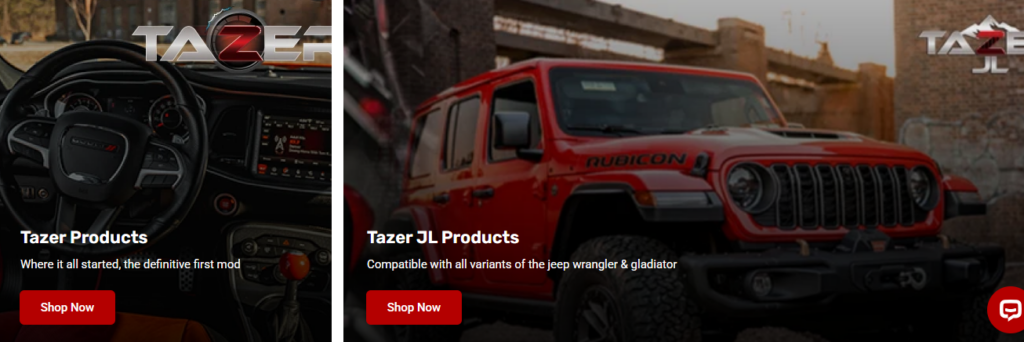
The Z Automotive Tazer combines several categories of vehicle customization within one electronic device. Depending on the supported application, features can include access to selected drive modes, changes to lighting behavior, performance information displayed through factory interfaces, and adjustments to certain convenience settings. The manufacturer also documents functions associated with line lock, light shows, remote window operation, startup drive modes, and selected transmission or engine-mode controls. Availability differs across vehicles, and not every listed function applies to every compatible model. Some capabilities also depend on the vehicle’s existing equipment and software configuration. For owners who regularly switch between daily driving and recreational use, the ability to adjust supported settings through an integrated interface can be more convenient than managing several independent modifications. The device also supports selected functions involving factory video inputs and dashboard displays on particular configurations.
Z Automotive Tazer Installation and Everyday Operation
Installation is based on connecting the Z Automotive Tazer to the vehicle’s OBD2 diagnostic port, making the initial hardware setup relatively accessible compared with modifications that require extensive mechanical work. The manufacturer’s documentation describes a plug-in installation process, although newer compatible vehicles may require the separately specified security bypass hardware. Physical connection is only one part of the process: users must also understand the device’s menus, supported settings, and vehicle-specific operating procedures. Some configuration changes require the ignition to be in a particular state, followed by a full vehicle reboot or sleep cycles. The manufacturer provides instructions and troubleshooting resources to explain these requirements. Correct operation therefore involves more than simply plugging the device in and immediately changing settings. Owners unfamiliar with vehicle electronics should review the relevant documentation before making adjustments, particularly those affecting stability systems or other safety-related functions.
Z Automotive Tazer Software, Updates, and Support
Software is an important part of the Z Automotive Tazer experience because the device’s capabilities and compatibility depend on its firmware and the vehicle’s electronic systems. Z Automotive provides the ZPU, or Z Automotive Programming Utility, for supported devices and firmware-related tasks. The company offers software access through its official digital platform, with options that include browser-based and computer-based use for supported products. Firmware updates are made available through the manufacturer’s update resources, allowing owners to check for software revisions and instructions relevant to their hardware. This support infrastructure is valuable for a product whose operation depends on vehicle-specific programming rather than purely mechanical components. However, users should follow the instructions associated with their exact device and firmware version rather than assuming every update or procedure applies universally. Documentation also explains how to return supported configurations to their stored state when removing or transferring a device. The availability of manuals, installation guides, and support channels provides a useful reference for troubleshooting.
Z Automotive Tazer Pricing and Overall Value
At the time of checking the manufacturer’s official product listing, the original Z Automotive Tazer was advertised at $249 in US dollars, with stock and pricing subject to change. This figure should be treated as the device’s listed price rather than the complete cost of every possible installation. Compatible security bypass hardware, optional accessories, taxes, shipping, and other requirements may increase the total expenditure. The relevant comparison is not simply between the Tazer and an inexpensive diagnostic adapter, because the product is designed to enable a broader set of supported vehicle functions. Its value depends on how many of those functions are relevant to the owner and whether they justify the expense. Someone interested in a particular supported setting may find the price harder to justify than an enthusiast who regularly uses multiple configuration options. The availability of free firmware updates also contributes to the product’s ongoing usefulness, although it does not eliminate compatibility restrictions or additional hardware requirements.
Z Automotive Tazer Practical Benefits and Limitations
The Z Automotive Tazer is most relevant to owners of supported Dodge, Chrysler, and Jeep vehicles who want additional control over selected factory electronic functions. Its integrated approach can reduce the need for multiple separate accessories, while its range of configurable settings makes it relevant to enthusiasts interested in vehicle personalization, display options, lighting behavior, and selected performance-related features. The device is less compelling when a vehicle is incompatible, when the desired function requires missing factory hardware, or when the owner expects a universal performance increase. It should also be used with an understanding that disabling stability or traction-related systems can introduce significant risks, particularly on public roads or in poor driving conditions. Certain features may be appropriate only in controlled environments and where legally permitted. The Tazer’s interface and documentation require attention, and vehicle-specific setup procedures can add complexity despite the simple physical connection.