



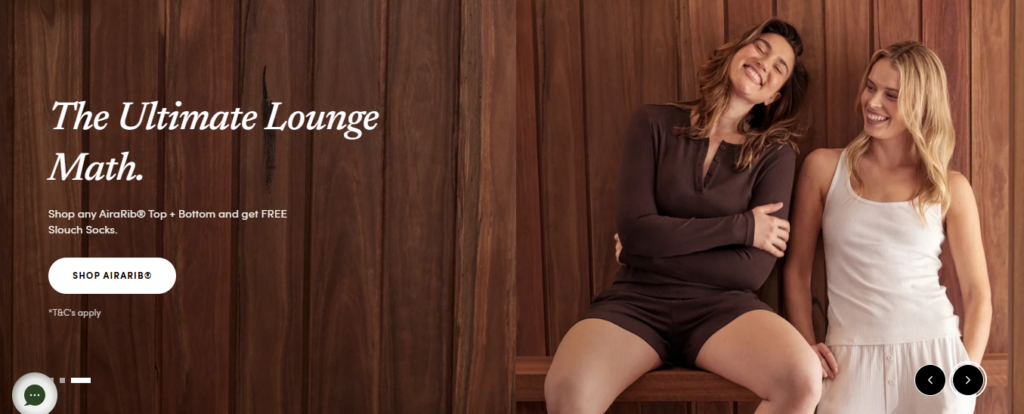
Boody is a clothing and essentials brand known for using bamboo-derived viscose in underwear, socks, loungewear, activewear, and selected everyday garments. Its product range focuses on soft fabrics, straightforward designs, and comfortable fits intended for regular use. Rather than building its identity around technical sportswear or seasonal fashion, Boody emphasizes versatile basics that can be incorporated into everyday wardrobes. The brand’s bamboo-viscose clothing provides an opportunity to examine how material selection, garment construction, sizing, and care requirements influence the experience of wearing essential clothing. Its range also raises practical questions about breathability, durability, pricing, and environmental claims. These factors are important when assessing whether Boody’s garments suit different climates, routines, and personal preferences. A closer look at the brand’s product categories, fabric characteristics, design choices, and purchasing considerations helps explain its position in the everyday apparel market.
Boody Clothing and Its Bamboo-Based Fabric Approach
Boody’s product identity is closely associated with bamboo-derived viscose, a regenerated cellulosic textile used to create a smooth, soft fabric. Bamboo is the original plant source, but the finished material is not simply untreated bamboo fiber woven into clothing. The manufacturing process converts plant-derived cellulose into a textile fiber with characteristics suited to garments worn close to the skin. Boody uses this material across several essentials categories, including underwear, T-shirts, leggings, sleepwear, and socks. The exact fabric composition varies by product, so the percentage of viscose, elastane, organic cotton, or other fibers should be checked on each garment’s product page. This distinction matters because blended fabrics can provide different levels of stretch, support, and shape retention. The brand’s material-led approach makes texture and everyday comfort central considerations, while the final wearing experience also depends on the garment’s cut, thickness, and construction.
Boody Underwear and Everyday Comfort
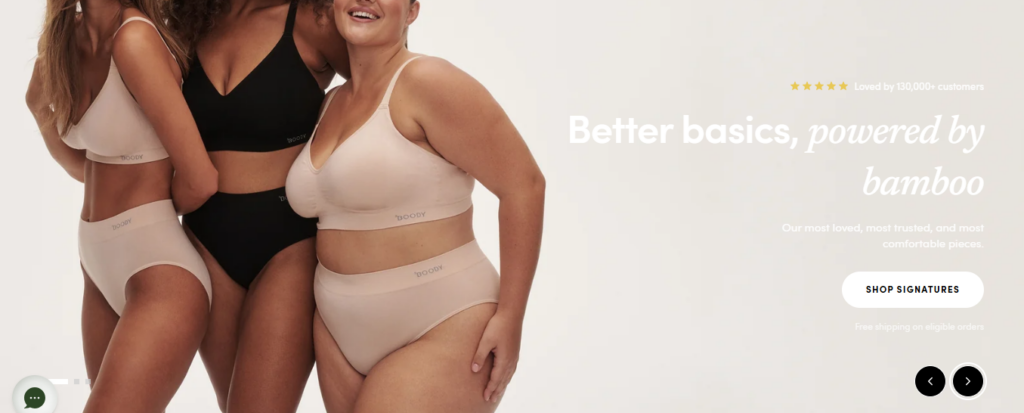
Underwear is one of the most established parts of Boody’s range, with styles designed for different coverage preferences and everyday requirements. Depending on the collection, shoppers may find briefs, bikinis, boyleg styles, boxers, and other underwear options. These garments generally prioritize uncomplicated silhouettes, soft materials, and construction intended to reduce unnecessary bulk beneath outer clothing. Stretch fibers in selected designs help the fabric accommodate movement, although support and compression vary according to the specific style. Waistbands, leg openings, seam placement, and garment rise can make a noticeable difference to fit, particularly during long workdays or extended periods of sitting. Shoppers should compare individual measurements with the published size guide rather than relying entirely on their usual size in another brand. Underwear suitability is ultimately personal: a lightweight, flexible style may appeal to someone seeking everyday ease, while those who prefer firm support or a highly structured fit may need to compare several designs before choosing.
Boody T-Shirts, Loungewear, and Wardrobe Versatility
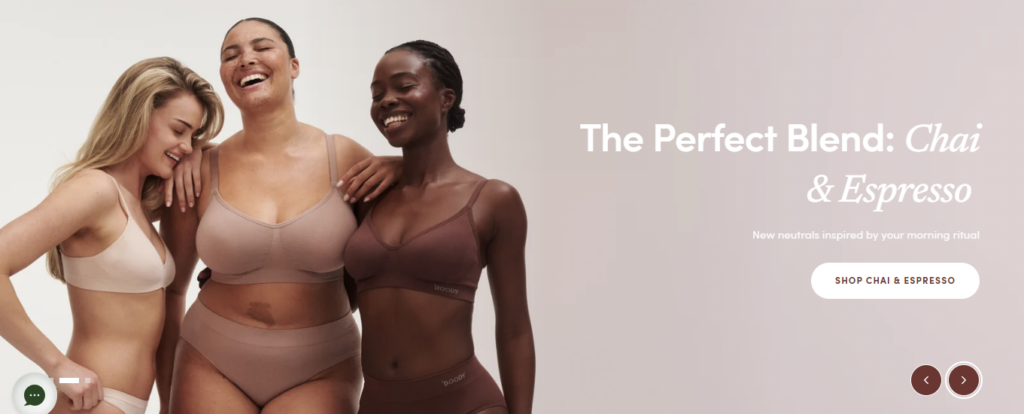
Beyond underwear, Boody offers clothing intended for relaxing at home and combining with everyday outfits. T-shirts, tank tops, leggings, sleepwear, and selected layering pieces extend the brand’s approach to simple essentials. Minimal detailing makes many of these garments relatively easy to coordinate with jeans, casual trousers, cardigans, or other basic wardrobe items. Neutral shades and familiar silhouettes can support repeated use without requiring outfits to be planned around distinctive prints or elaborate design elements. The practical value of each item depends on its intended role. A lightweight top may work as an underlayer or a warm-weather garment, while a thicker or more fitted design may be more appropriate for cooler conditions or layering. Loungewear places greater emphasis on ease of movement, whereas garments intended for public wear may require more attention to opacity, drape, and fit. Reviewing the fabric weight, garment measurements, and care instructions for each style helps establish whether it matches the intended use.
Boody Fit, Construction, and Wearability
Fit is an important part of evaluating Boody because soft, stretch-oriented fabric can feel different depending on how a garment sits against the body. Some styles are designed to fit closely, while others provide a more relaxed shape. Seam construction, hems, waistbands, straps, and neckline finishing all influence how the clothing moves and whether it remains comfortable during ordinary activities. A close-fitting garment may work well beneath other layers, but its suitability depends on personal preferences regarding compression and coverage. Likewise, a relaxed top offers flexibility in styling but may drape differently across body shapes. Product photographs can illustrate the intended silhouette, although they cannot fully establish how a garment will fit an individual. Available size ranges and measurements should therefore be reviewed for the specific item. Construction quality is also best judged over time, particularly around high-friction areas and elastic components. Softness at first wear is useful, but maintaining shape, seam integrity, and a consistent fit after repeated laundering is equally relevant to long-term use.
Boody Breathability, Performance, and Climate Suitability
Bamboo-derived viscose is often associated with a smooth hand feel and the ability to absorb moisture, characteristics that can make it appealing for clothing worn close to the skin. However, moisture absorption and effective sweat management are not identical. A fabric can absorb moisture without necessarily moving it rapidly away from the body or drying quickly. For Boody garments, practical performance depends on the textile blend, fabric thickness, garment construction, activity level, and surrounding temperature. Lightweight underwear and tops may be suitable for routine activities, commuting, relaxing, and everyday layering, but performance during intense exercise should not be assumed without product-specific evidence. Dedicated sportswear may use specialized constructions designed for rapid drying, compression, or targeted ventilation. Climate also matters: fabric that feels comfortable in a mild environment may behave differently during prolonged exposure to high humidity. People who prioritize temperature regulation should consider the complete garment rather than relying on the bamboo label alone.
Boody Pricing, Availability, and Purchasing Considerations
Boody’s pricing varies according to the garment category, design, fabric composition, and collection. Underwear and socks may be sold individually or in multipacks, while tops, leggings, and sleepwear are priced according to their construction and intended use. Multipacks can reduce the cost per item when shoppers already know their preferred style and size, but the initial purchase may require a higher outlay than buying a single garment. Prices, discounts, shipping fees, taxes, and return conditions can also differ between countries and sales channels. Because these details change, the current product listing and checkout information should be treated as the authoritative reference rather than a fixed general price estimate. Before ordering, shoppers should verify the retailer’s location, delivery coverage, expected shipping time, exchange eligibility, and requirements for returning underwear or other intimate apparel. The supplied promotional URL may redirect through an affiliate tracking service, so the destination, seller identity, final price, and applicable purchase terms should be checked before completing an order.
Boody Durability, Care, and Environmental Considerations
Long-term value depends on how well Boody garments withstand repeated washing, drying, and everyday wear. Following the care label is important because washing temperature, detergent choice, agitation, and drying methods can affect fabric texture, elasticity, and shape. Gentle washing and avoiding excessive heat may help preserve the condition of suitable garments, but individual instructions take precedence because care requirements can vary across products and blends. Environmental considerations require similar attention to detail. Bamboo grows quickly, yet the sustainability of a finished textile depends on how the cellulose is processed, the chemicals and energy involved, wastewater management, garment longevity, and end-of-life disposal. Bamboo-derived viscose should not automatically be treated as impact-free or assumed to be identical to mechanically processed natural bamboo fiber. Claims concerning responsible sourcing, certifications, and manufacturing standards should be assessed against the specific evidence published by the brand.