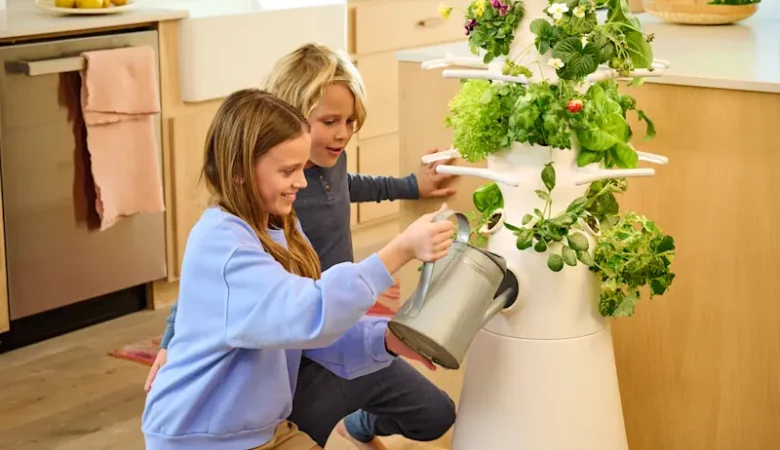


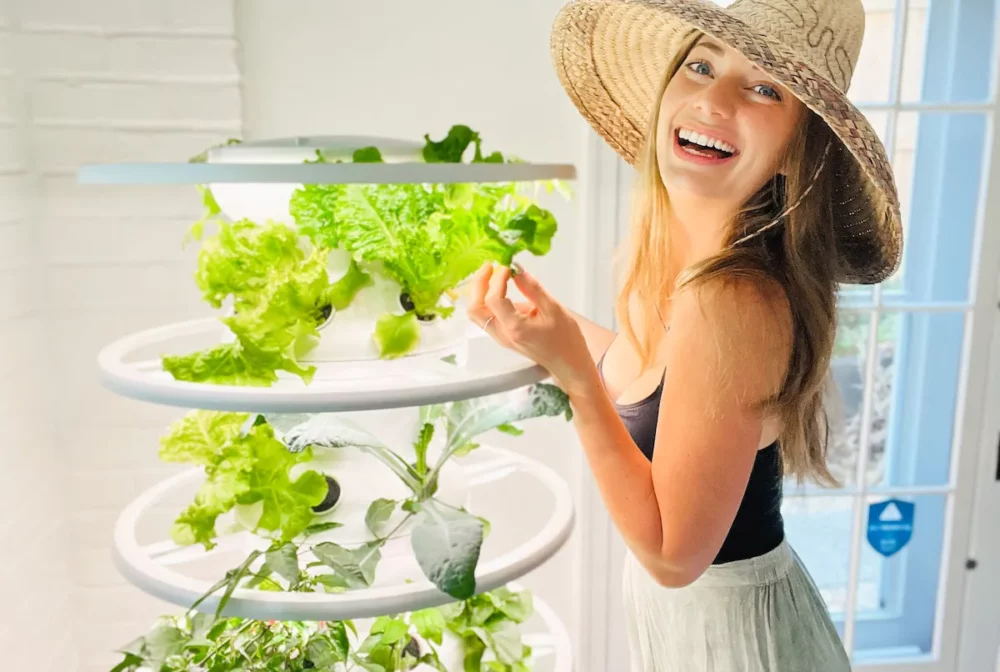

Welcome to the future of gardening! If you’ve ever dreamed of cultivating fresh, crisp vegetables right in your living room or on your kitchen counter, then you’re in for a treat. “Lettuce Grow: The Ultimate Guide to Indoor Hydroponic Gardening” is here to transform that dream into a reality. Gone are the days when green thumbs were reserved for those with sprawling backyards and endless sunlight. With indoor hydroponics, anyone can become a garden guru—no dirt required! From setting up your first system to nurturing vibrant herbs and greens year-round, this comprehensive guide will equip you with all the knowledge and tools needed for thriving indoor gardens. So roll up your sleeves, grab some seeds, and let’s dig into the world of hydroponic magic where every leaf counts!
Benefits of Lettuce Grow Systems
Lettuce Grow systems offer a revolutionary way to grow fresh produce indoors. They maximize space and allow you to cultivate greens year-round. No more worrying about seasonal limitations. These hydroponic setups use less water than traditional gardening methods. This efficiency not only conserves resources but also promotes healthier plants free from soil-borne diseases. With automated nutrient delivery, maintaining optimal growth conditions becomes effortless. You can focus on enjoying the process rather than getting bogged down by technicalities. Additionally, growing your own lettuce reduces reliance on store-bought options, which often come with packaging waste and long transport times. It’s a step toward sustainability in your kitchen. The satisfaction of harvesting your own crisp greens is unmatched. Each salad becomes a personal achievement that connects you to nature, even within the confines of your home.
Types of Lettuce That Thrive in Hydroponic Gardens
When it comes to hydroponic gardening, not all lettuce varieties are created equal. Some types flourish in nutrient-rich water systems while others may struggle. Butterhead lettuce is a top contender. Its soft, tender leaves grow quickly and adapt well to the controlled environment of hydroponics. This variety offers a rich flavor that enhances salads and sandwiches alike. Romaine is another favorite. Known for its crisp texture, romaine thrives in hydroponic setups, producing dense heads that hold up beautifully in various dishes. If you’re seeking something unique, consider growing red leaf lettuce. Its vibrant color adds visual appeal and nutritional benefits to your meals while being easy to cultivate indoors. Lastly, loose-leaf varieties are perfect for beginners. They provide continuous harvest opportunities as you can pick individual leaves without uprooting the entire plant—ideal for ongoing fresh greens year-round!
Setting Up Your Indoor Hydroponic Garden
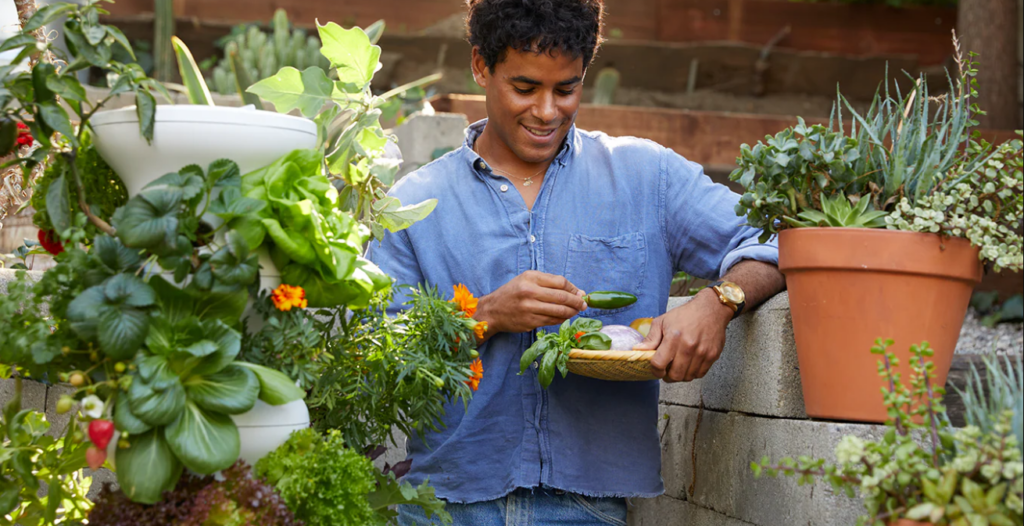
Choosing the right location is crucial for your indoor hydroponic garden. Look for a spot with ample natural light, or consider using grow lights if sunlight is limited. A stable temperature between 65°F and 75°F works best for most lettuce varieties. Gathering necessary equipment comes next. You’ll need a hydroponic system—options include nutrient film technique (NFT) or deep water culture (DWC). Don’t forget to invest in quality growing medium, nutrients, and pH testing kits. Preparing your system requires careful attention. Rinse all components thoroughly before assembly to eliminate contaminants. Fill your reservoir with water, add nutrients according to instructions, and ensure proper circulation through pumps or air stones. Once everything’s set up, you’re ready to plant seeds! Ensure they are spaced correctly in the medium for optimal growth while keeping an eye on moisture levels as they germinate.
Maintaining Your Lettuce Grow Garden
Maintaining your Lettuce Grow garden is key to a successful harvest. Start by regularly checking water levels. Consistent hydration keeps plants healthy and thriving. Next, focus on nutrient solutions. The right balance of nutrients will boost growth and flavor. Monitor the pH levels as well; this ensures optimal nutrient absorption. Pest control doesn’t have to be daunting. Keep an eye out for common pests like aphids or whiteflies. A gentle spray of neem oil can deter them without harming your plants. Diseases can sneak in too, so watch for signs like wilting or discoloration. Proper airflow around your plants helps prevent these issues from taking hold. When it’s time to harvest, do so carefully to avoid damaging nearby leaves. Cut just above the base with clean scissors for regrowth later on. Replanting after each harvest keeps the cycle going strong, providing fresh lettuce all year round.
Monitoring Water Levels and Nutrient Solutions
Monitoring water levels in your hydroponic system is crucial for healthy lettuce growth. Regular checks ensure that roots receive adequate moisture without drowning. Remember, too much water can lead to root rot. Assessing nutrient solutions is equally important. Hydroponics relies on a precise mix of nutrients dissolved in water. Check the pH and electrical conductivity regularly to maintain an optimal environment. A slight imbalance can hinder plant health. Use markers or indicators to track changes over time. This helps you adjust nutrient concentrations based on the growth stage of your plants. Consider investing in automated systems that alert you when levels are low or imbalanced. These high-tech tools save time and reduce guesswork, allowing you to focus more on enjoying your indoor garden instead of constant maintenance tasks.
Preventing Pests and Diseases
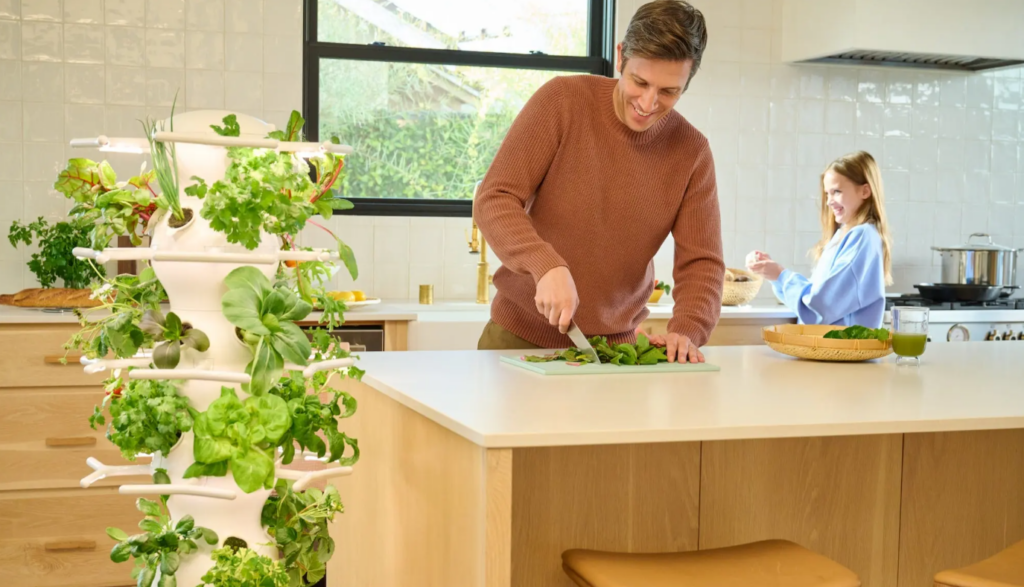
Pests and diseases can quickly disrupt your hydroponic paradise. Keeping a watchful eye on your plants is essential for early detection. Start by ensuring proper air circulation. Stagnant air creates the perfect environment for mold and pests to thrive. Use fans if necessary to maintain airflow. Regularly inspect leaves for any signs of discoloration or damage. Yellowing might indicate nutrient deficiency, while holes could signal pest activity. Introduce beneficial insects like ladybugs or predatory mites into your garden. They naturally control pest populations without harming your plants. Keep surfaces clean and free from debris as well. A tidy space reduces hiding spots for unwanted visitors. Consider using organic solutions like neem oil or insecticidal soap if you spot a problem. These options are effective yet gentle on the ecosystem you’ve created in your indoor garden.
Harvesting and Replanting Tips
Harvesting your lettuce at the right time can enhance flavor and extend growth. Look for vibrant leaves that are crisp, not wilted or yellowed. Snip off outer leaves first, allowing the center to keep producing more. Always use clean scissors to prevent disease transmission. Cut just above the base to encourage regrowth. This method is known as “cut-and-come-again.” After harvesting, consider replanting immediately in any bare spots within your hydroponic system. Choose fast-growing varieties like butterhead or loose-leaf for quick turnover. Monitor light and nutrient levels after each harvest cycle; plants need a little extra care during regrowth stages. Regularly check water quality too; it’s vital for healthy new shoots. Stay attentive, and enjoy watching your indoor garden flourish with fresh greens continuously!